Cold plunge tubs are now common in recovery routines, gyms, and backyards. Many people say cold water helps them feel calmer, more alert, and less reactive. Others describe the first seconds as intense panic. The gap between those experiences matters. Cold exposure does set off a real physiological stress response. The question is whether that response produces lasting anxiety relief or just a temporary mental shift. This guide examines what peer-reviewed research, clinical guidance, and safety data actually show. It is not a substitute for medical advice.
Cold water therapy has roots in many cultures. Nordic winter swimming, Japanese misogi, and Victorian hydrotherapy all used cold exposure for mental and physical resilience. Modern research has started to measure these effects. Studies indexed on PubMed and clinical summaries from Cleveland Clinic confirm that cold water immersion changes heart rate, breathing, and circulating hormones. But the quality of anxiety-specific research is mixed. Most studies are small, many rely on self-report, and only a few use controlled conditions. That does not mean the benefits are fake. It means the size of the effect is still uncertain.
Before investing in a cold plunge, it helps to know how the practice compares to other recovery tools. You may be choosing between a barrel, a purpose-built tub, or a do-it-yourself chest freezer setup. Gear is a secondary question. The primary question is whether you can tolerate cold exposure safely and what you expect from it. For hardware comparisons, see best cold plunge tubs 2026. For a broader look at health effects, read cold plunge benefits. This article focuses specifically on anxiety.
What Happens in the Body During a Cold Plunge?
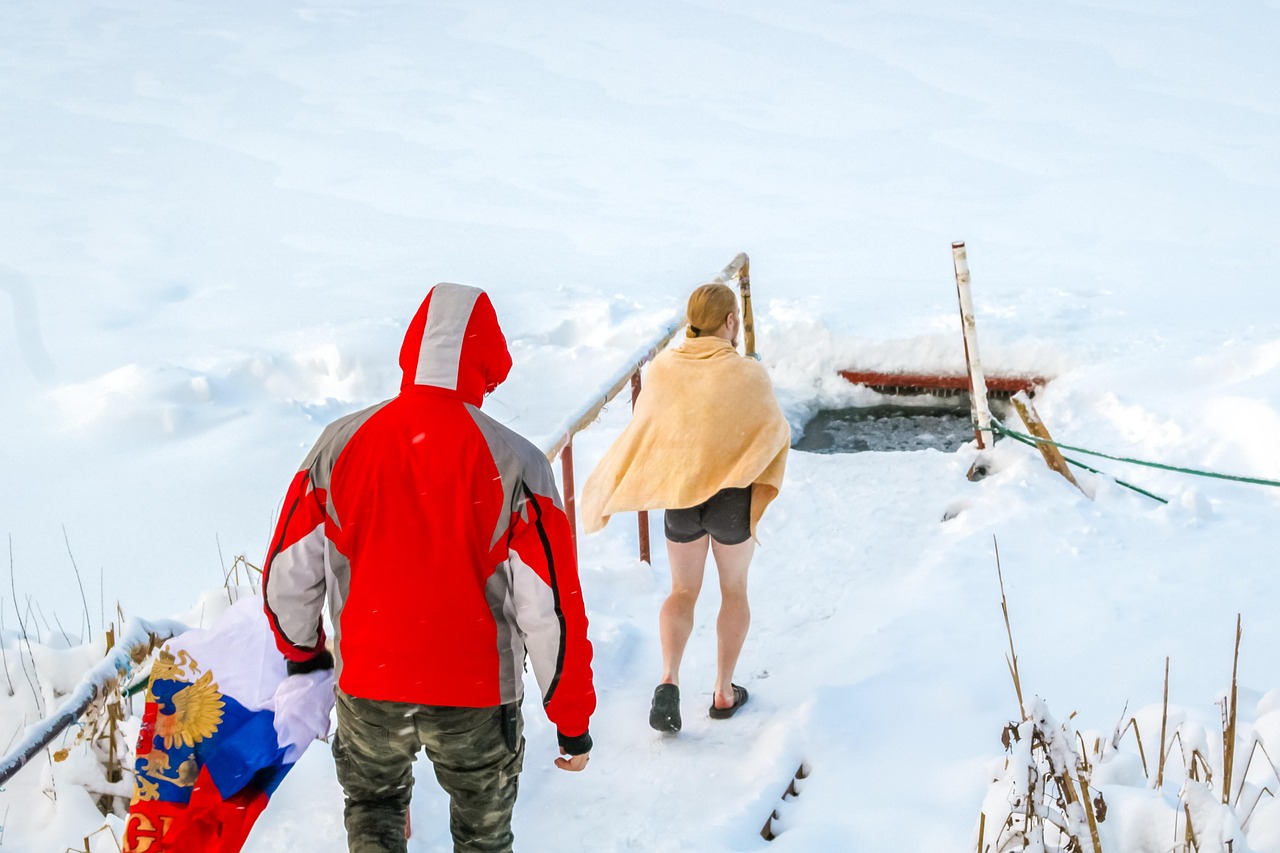
When you step into cold water, your body treats it like an emergency. Skin thermoreceptors send a burst of signals to the brainstem. The sympathetic nervous system releases norepinephrine. Blood vessels in the skin clamp down. Heart rate and blood pressure climb fast. Breathing becomes rapid and shallow. This is the cold shock response. For someone prone to anxiety, these sensations can feel exactly like panic. That overlap is important. Cold plunge is a controlled stressor. It asks the body to move through high arousal and then recover. Many users describe that recovery phase as a wave of calm.
The hormonal response is not small. One widely cited study of cold water immersion at 14 degrees Celsius for one hour found plasma norepinephrine rose by about 530 percent and dopamine by about 250 percent. Norepinephrine supports alertness and attention. Dopamine is tied to motivation and reward. These spikes may help explain short-term mood shifts. But a one-hour lab bath is very different from a three-minute home plunge. Temperature, duration, and body size all change the dose. Still, even short cold exposures produce measurable sympathetic activation. That acute stress response is the starting point for any anxiety claim.
After the initial shock, many people feel a parasympathetic rebound. Breathing slows. Heart rate drops. Muscles release tension. Some describe a clear head and a quieter mind for hours. This rebound may matter more than the shock itself. The body has survived a brief threat. That success can change how you read your own racing heart. For a deeper look at the health effects, read cold plunge benefits.
Can Cold Plunging Lower Anxiety Symptoms?
Anxiety is not a single feeling. It shows up as worried thoughts, muscle tightness, restlessness, avoidance, and panic. Cold plunging may touch several of those layers. During cold exposure, attention narrows to the cold. Ruminating about work, money, or relationships becomes harder. The physical sensations dominate. Many people say that mental noise fades, at least for a few minutes. That is a real perceptual shift. But short-term relief is not the same as a lasting reduction in anxiety symptoms. Researchers still do not know if repeated cold plunges change trait anxiety over months.
Most anxiety-specific evidence comes from self-report surveys and small studies. Cold water swimmers often report improved mood and lower stress after regular swims. But they also get exercise, social contact, and nature exposure. Those are known mood boosters. Did the cold water do the work, or did the swim? Observational data cannot separate those factors. Some controlled studies show a mood benefit after cold water immersion. Others show no clear difference from a warm water control. The heterogeneity is one reason health agencies do not recommend cold plunging as a front-line anxiety treatment.
Still, for some people the practice becomes a useful coping tool. It can interrupt a spiral. It can create a sense of agency. That is real and worth taking seriously. But it should sit next to, not replace, therapy or medication. If you are deciding between methods, match the method to your own safety and goals.
What Does the Research Actually Show?
The strongest evidence for cold exposure and mental health comes from mood and stress studies, not from anxiety disorder trials. Researchers have tracked changes in cortisol, norepinephrine, and subjective mood. Some studies report lower negative mood after cold water immersion. Others show no significant change compared with a control condition. A systematic review published in a peer-reviewed journal concluded that cold water immersion may improve mood and well-being, but the evidence was low certainty. That phrase matters. Low certainty means the true effect could be smaller than reported, or absent in a larger sample. You can read many of these studies on PubMed.
The famous hormone numbers should also be read in context. The 530 percent norepinephrine and 250 percent dopamine increases came from long cold exposures in a laboratory. That is far from a typical home session. Most home users plunge for two to ten minutes in water between 5 and 15 degrees Celsius. At those doses, the response is smaller but still present. This is why temperature and time matter so much. For guidance on safe ranges, see cold plunge temperature guide.
Observational surveys add more texture. Regular cold water swimmers often report feeling calmer and more resilient. But these are self-selected groups. People who like cold water may have different baseline physiology or expectations. They also tend to engage in other healthy behaviors. That makes it impossible to claim cold plunging alone caused their improvement. Researchers need randomized controlled trials that compare cold water immersion to a neutral condition, with anxiety outcomes measured over time.
How Might Cold Exposure Affect the Brain?
Several mechanisms could explain why cold water might influence anxiety. The first is neuroendocrine. Cold exposure increases norepinephrine, a chemical involved in the brain’s stress and alertness systems. Some researchers propose that repeated cold exposure may help the brain regulate norepinephrine more efficiently. That could reduce the intensity of everyday stress responses. But this is largely a hypothesis. Human trials have not yet proven that cold plunging changes baseline norepinephrine or anxiety in a clinically meaningful way.
The second mechanism is stress inoculation. A brief controlled stressor may teach the brain to separate physical arousal from danger. People with anxiety often fear a racing heart or short breath. Cold plunge produces those very sensations in a safe setting. Over repeated sessions, the brain may learn that these signals do not always mean threat. This idea overlaps with interoceptive exposure used in cognitive behavioral therapy. Cold plunging, however, is not a structured clinical intervention. It lacks dosing standards and therapist support.
The vagus nerve is another popular explanation. Cold water on the face and neck can trigger the diving response. That reflex slows heart rate through parasympathetic pathways. Over time, some believe this increases vagal tone and improves emotional regulation. The evidence is still mixed. Many people pair cold plunging with slow breathing to amplify the calming effect. The Wim Hof breathing guide explains one common method. But breathing and cold exposure are separate variables. Studies need to isolate them.
What Cold Plunge Protocol Is Safer for Anxiety?
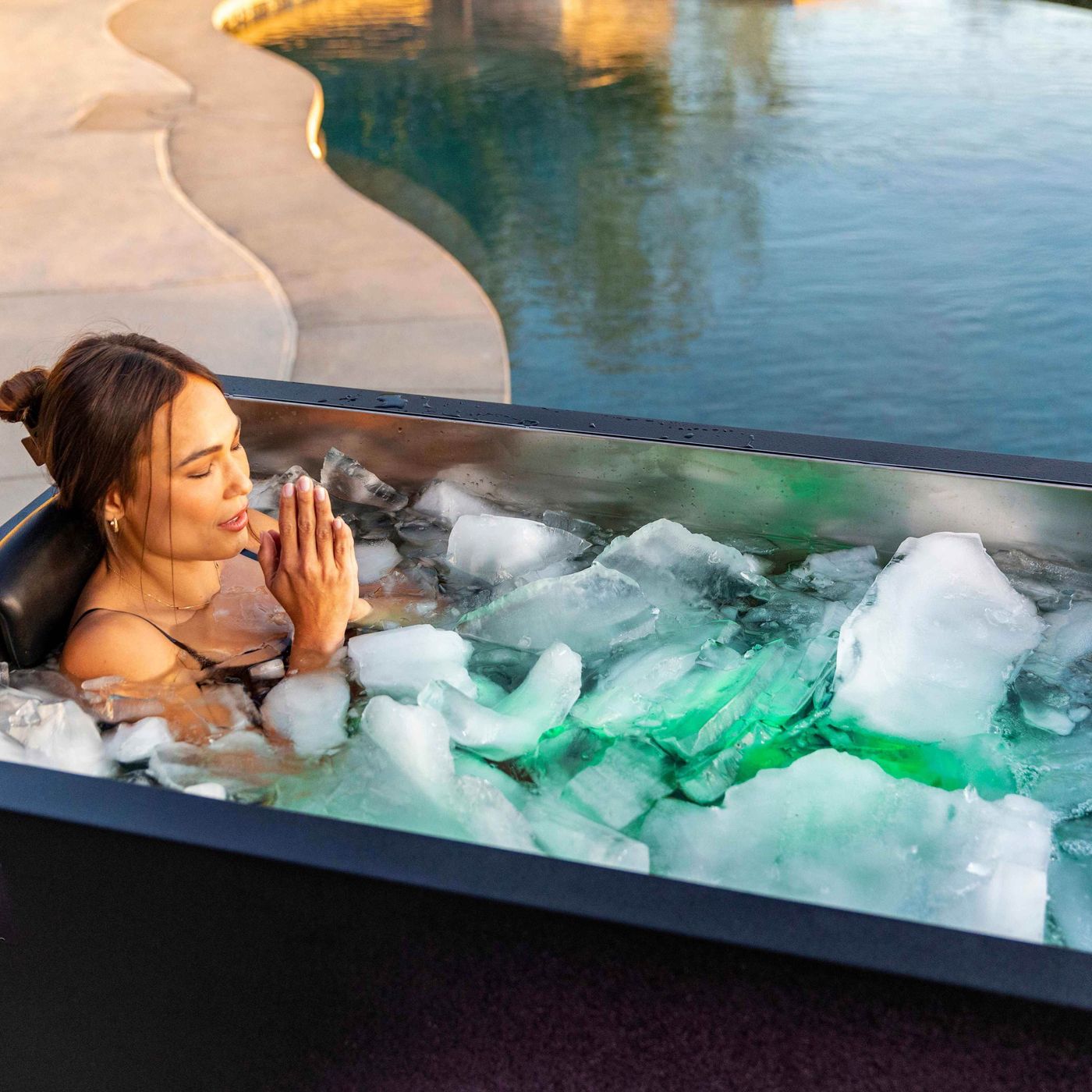
There is no official protocol for anxiety. Most clinical guidance suggests starting gentle. A beginner might use water around 15 degrees Celsius for one to two minutes. As tolerance builds, you can lower the temperature or extend the session. But colder is not automatically better. Ten minutes at 3 degrees Celsius is a far greater stress load than two minutes at 12 degrees Celsius. If your goal is anxiety relief, consistency may matter more than extreme cold. The cold plunge protocol beginners guide provides a step-by-step approach.
Safety comes first. Cleveland Clinic and other clinical sources recommend checking with a doctor before starting cold water immersion. People with heart conditions, high blood pressure, or Raynaud’s should be especially careful. Cold shock can trigger dangerous heart rhythms in susceptible individuals. Even healthy people should avoid plunging alone in natural water. The cold plunge safety guide for beginners covers the core precautions.
Track your response. Note your anxiety level before and after each plunge. Record sleep, energy, and mood. If you feel worse over several weeks, stop or adjust. Some people find daily plunging helpful. Others do better with three sessions per week. There is no evidence that more frequent plunging reliably produces greater anxiety relief. Listen to your body first. Avoid using cold plunge as a way to push through panic symptoms without support.
Who Should Avoid Cold Plunging for Anxiety?
Cold plunging is not safe for everyone. If you have an anxiety disorder plus a cardiovascular condition, the risk may outweigh the benefit. Cold shock can spike blood pressure and heart rate. In someone with coronary artery disease, that spike could trigger chest pain or arrhythmia. People with uncontrolled high blood pressure, a recent heart attack, or heart failure should avoid cold plunging unless cleared by a physician. This aligns with cold water safety guidance from the Mayo Clinic.
Other conditions require caution too. Raynaud’s disease, peripheral neuropathy, and cold urticaria can make cold exposure harmful. Pregnancy is another reason to avoid or limit cold plunge. If you have a history of panic attacks, the first seconds of cold shock can mimic panic. That can be useful for some people under supervision. For others, it can deepen fear and avoidance. Do not force yourself through severe distress. Start with a tolerable exposure or choose a different recovery tool.
Medications also change the picture. Beta blockers, blood pressure drugs, and some psychiatric medications can alter heart rate responses or increase dizziness. Talk with your prescribing provider before adding cold plunging. If you use cold exposure as part of a mental health plan, keep it in perspective. It is a potential support, not a cure. Standard treatments like therapy and medication have far stronger evidence for anxiety disorders.
Frequently Asked Questions
Does cold plunging cure anxiety?
No. Cold plunging is not a proven cure for anxiety disorders. It may offer short-term symptom relief for some people, but the research is small and mostly self-reported. Standard treatments like therapy and medication have much stronger evidence.
How quickly can a cold plunge reduce anxiety?
Some people notice a shift within minutes after the initial cold shock subsides. Others feel calmer for a few hours. Lasting changes, if any, likely require repeated sessions over weeks. The time course varies widely.
What water temperature is best for anxiety?
There is no evidence-based temperature for anxiety. Beginners often start around 15 degrees Celsius for one to two minutes. Lower temperatures increase the stress response and the risk. Focus on a dose you can repeat safely.
Can a cold plunge trigger a panic attack?
Yes. The cold shock response can feel like panic because it causes rapid breathing, chest tightness, and a racing heart. If you have panic disorder, start slowly and practice with support. Do not force yourself through severe distress.
Is a cold shower enough for anxiety relief?
A cold shower may produce a milder version of the same physiological response. Some people find it helpful. Cold plunging is not required to test cold exposure. Start with cold showers before investing in a tub.
Should I cold plunge every day for anxiety?
Daily plunging is not clearly better than a few sessions per week. More important is consistency without injury. Track your mood and anxiety symptoms. Adjust frequency based on how you respond over time.
What Should You Remember?
- Cold plunge may temporarily reduce anxiety by forcing attention outward and triggering a calming rebound.
- Evidence is promising but low certainty. Most studies are small, short, or based on self-report.
- Norepinephrine and dopamine spikes are real, but long lab exposures do not reflect typical home doses.
- Start gently with shorter sessions around 15 degrees Celsius before going colder.
- Do not replace therapy or medication with cold plunging for diagnosed anxiety.
- Track your baseline anxiety, sleep, and energy to judge whether the practice helps.
- Avoid cold plunging if you have uncontrolled heart conditions, Raynaud’s, or cold urticaria.
This article is for general information only and is not medical advice. Cold water immersion and sauna use can be risky for people with cardiovascular conditions, Raynaud’s disease, or who are pregnant. Always consult a physician before beginning cold therapy or heat therapy.