Cold plunging seems simple. You fill a tub, lower yourself into cold water, and wait. But the body’s response is intense and fast. Beginners often copy advanced protocols without building tolerance. Safety starts with understanding what cold water does to your heart, lungs, and nerves before you get in. For most healthy adults, a short cold plunge is reasonably safe when precautions are followed. But the risks are real, and they change with water temperature, time, and your health history. This guide explains the risks and precautions you need before your first plunge. You can also review the positive effects in this cold plunge benefits overview.
Cold water immersion is not just discomfort. The cold shock response can override normal breathing control within seconds. That is why entering slowly and staying calm matters more than how many minutes you last. Some people assume that more extreme is better. That is not true for beginners. A safe build-up using a clear protocol reduces the chance of panic, hyperventilation, or cardiac strain. If you are new, treat your first sessions as skill practice, not a test. Even short exposures can produce strong physiological signals that take time to interpret.
This article covers the key risks, who should seek medical advice, safe temperature and time ranges, and how to enter and exit. You will also see the precautions that matter most. Once you know the safety basics, you can compare gear and routines. Use the internal links to explore protocols and equipment after you finish this guide.
| Water Temperature | Suggested Max Time | Notes |
|---|---|---|
| 50-60°F | 1-3 minutes | Best starting range for most healthy beginners |
| 45-50°F | 1-2 minutes | Only after several weeks of consistent exposure |
| Below 45°F | 30-60 seconds | Advanced cold adaptation; not for beginners |
What Happens to Your Body During a Cold Plunge?

When you enter cold water, skin temperature drops fast. Cold receptors send a flood of signals to the brain. You gasp and your breathing rate jumps. This is the cold shock response. Peer-reviewed research on PubMed shows minute ventilation can increase sharply within the first 30 seconds. For some people, breathing rate climbs from around 12 breaths per minute to more than 40 breaths per minute. That makes controlled exhales essential. If your head goes underwater during that gasp, drowning risk rises.
Blood vessels in your skin constrict. Blood pressure increases because your heart has to pump against more resistance. For healthy people, this is usually brief. But for someone with undiagnosed heart disease, the extra strain may trigger an event. The Cleveland Clinic advises caution for people with heart conditions or high blood pressure. Cold water also pulls heat away from the body roughly 25 times faster than air of the same temperature. This is why 50°F water feels far more shocking than 50°F air.
After you exit, your body continues cooling for a while. This is called afterdrop. Warm blood returns to cold skin and loses heat. Shivering starts. If you rewarm too fast with a hot shower, you can feel faint. The safest approach is gentle rewarming with dry clothes and light movement. Understanding these responses helps you plan your first plunge with respect.
- Rapid breathing and gasping in the first 30 seconds
- A spike in heart rate and blood pressure
- Reduced blood flow to hands and feet
- Afterdrop cooling after you leave the water
Who Should Avoid Cold Plunging or Talk to a Doctor First?
Some conditions make cold plunging riskier. Heart disease, uncontrolled high blood pressure, arrhythmias, and a history of stroke are strong reasons to get medical clearance. Mayo Clinic notes that sudden cold exposure can trigger angina or arrhythmias in susceptible people. If you have any cardiovascular diagnosis, do not rely on a general fitness guideline. Ask your doctor about cold water immersion.
Raynaud’s phenomenon and peripheral neuropathy reduce your ability to sense temperature or protect your extremities. People with diabetes, especially with nerve damage, may not notice tissue cooling. Cold urticaria is another concern. It causes hives or, in rare cases, a severe allergic reaction after cold exposure. Pregnancy is not well studied for extreme cold immersion, so many clinicians recommend avoiding cold plunging unless cleared.
Age alone is not an absolute barrier. A generally healthy older adult can often adapt with a slow plan. But cardiovascular status matters more than age. If you take blood pressure medication or have not exercised recently, start with medical guidance. Once cleared, use the beginner cold plunge protocol to build tolerance.
- Heart disease or prior heart attack
- Uncontrolled high blood pressure
- Raynaud’s phenomenon
- Diabetes with neuropathy
- Cold urticaria
- Pregnancy without medical clearance
What Temperature and Time Limits Are Safest for Beginners?

Beginners should start warmer than they think. A water temperature between 50°F and 60°F is a common starting range. Some advanced plungers use 39°F or lower, but that is not a beginner target. The cold plunge temperature guide explains why 50°F to 59°F balances stress and safety. Cold enough to trigger adaptation, warm enough to allow controlled breathing.
Time is the second lever. Start with 1 to 3 minutes total. You do not need to suffer. The goal is to calm your breathing while staying in control. If you cannot slow your exhale after 30 seconds, get out. Build duration over weeks, not days. Add 30 seconds every few sessions only if you feel stable. More time does not always mean more benefit. Some research suggests around 11 minutes per week split across sessions may support recovery, but that is an observational target, not a beginner prescription.
The table below shows safe starting ranges. These are not medical limits. They are practical guardrails for healthy beginners.
How Should Beginners Enter and Exit a Cold Plunge Safely?

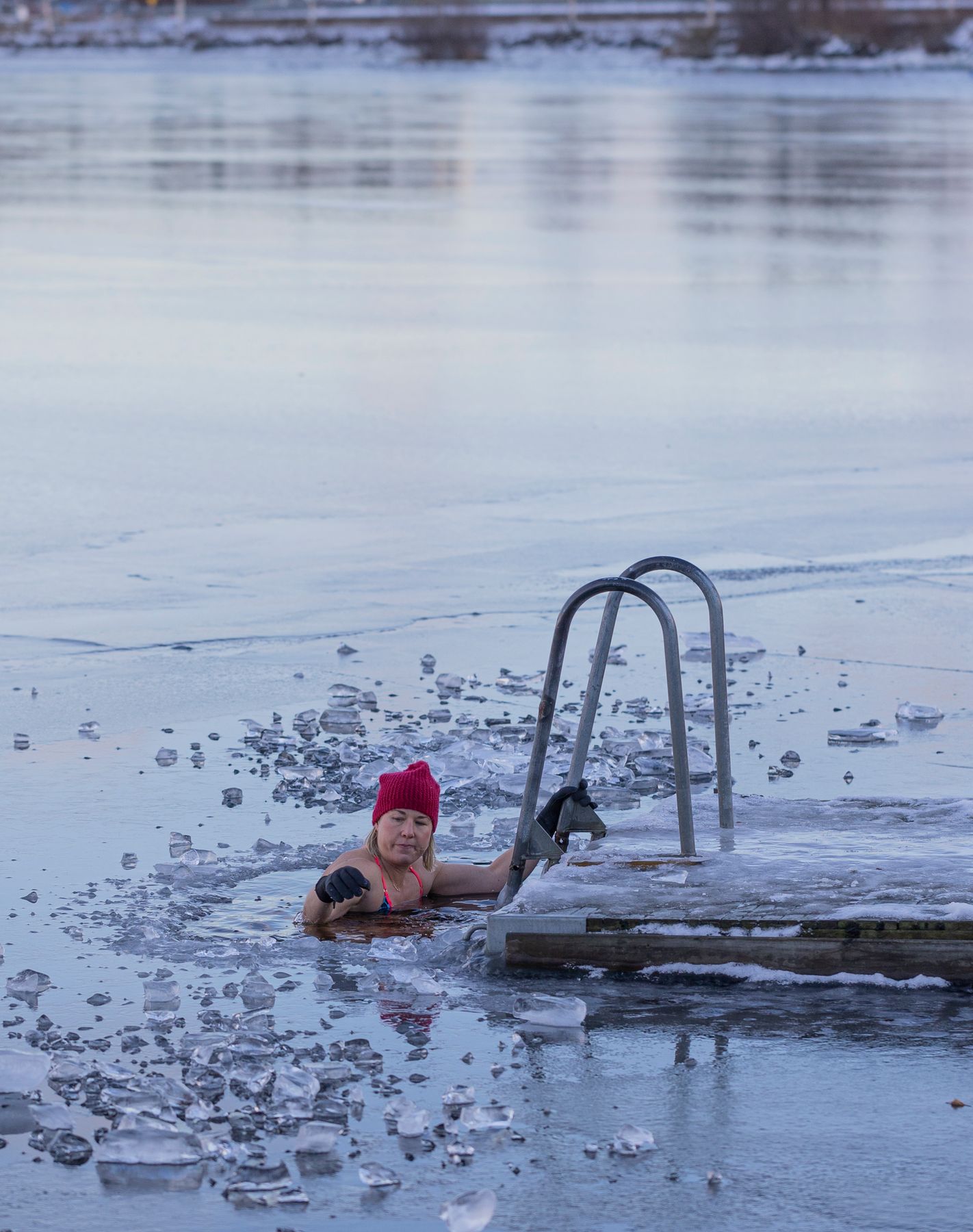
Never jump into cold water. The shock can make you gasp and inhale water. Step in slowly and keep your hands on the rail. Exhale long and slow as your chest touches the water. Count your exhales to stay anchored. If you feel a strong urge to hyperventilate, pause and breathe through your nose for a few seconds.
Have a buddy or supervisor nearby. If you slip, faint, or panic, someone needs to help. At minimum, keep a phone within reach and tell someone when you start and end. Exit while you still feel in control. Do not wait until you are shivering hard or feeling clumsy. Dry off quickly and put on layers. Avoid hot showers for at least 10 to 15 minutes to reduce afterdrop fainting risk.
Warming with movement is fine. Light walking, arm circles, or gentle squats help restore circulation. Sipping a warm drink can help, but avoid caffeine immediately after. These habits make the difference between a challenging session and a dangerous one. For frequency and recovery windows, read how often to cold plunge.
- Enter feet first, not head first
- Keep breathing slow and audible
- Set a timer where you can see it
- Exit before your hands lose dexterity
- Rewarm gradually with layers and movement
What Precautions Reduce the Most Common Cold Plunge Risks?
Start with a 2-minute cold shower for a few days. This lets you practice the gasping response in a safe environment. Then move to a tub. The Wim Hof breathing guide offers one way to build respiratory control, but simple slow exhales work too. Do not force rapid breathing or long breath holds in cold water unless you have practiced on land.
Never plunge under the influence of alcohol, sedatives, or recreational drugs. These impair shivering, decision-making, and cardiovascular response. Also avoid cold plunging when you are sleep-deprived or sick. Check the water temperature before entry. A floating thermometer removes guesswork. If you use a DIY chest freezer, ensure the pump is off and the water is clean. The DIY cold plunge guide covers setup safety in more detail.
Do not plunge alone if you have any cardiovascular risk factor, even if you feel fine. If you must plunge alone, use a shallow tub, keep your head above water, and set a visible timer. Listen to your body. Dizziness, chest pain, confusion, or severe numbness are exit signals. Harvard Health notes that brief cold exposure can be healthy for many, but risk rises with longer immersion and colder temperatures. That matches the safety literature: dose matters.
What Should You Do If Something Feels Wrong After a Plunge?
Not all warning signs appear during immersion. Some appear minutes later. Mild shivering and cool skin are normal. But intense shivering that does not stop, chest discomfort, shortness of breath, confusion, or slurred speech are not normal. These can signal excessive cooling or a cardiovascular problem. Stop all activity and call for help if symptoms persist.
Afterdrop can make you feel colder 5 to 10 minutes after you exit. This happens because cooled blood from the skin moves back toward the core. Put on dry clothes immediately. Move to a warm room. Do light movement to generate heat. Avoid hot showers or saunas right away because rapid skin warming can cause blood pressure to drop and make you faint.
If you experience numbness in fingers or toes that lasts more than 30 minutes, note the water temperature and duration. You may have stayed too long for your current tolerance. Step back to a warmer temperature or shorter time. Repeated mild injuries from cold can build up. A good rule is to exit before you lose fine motor control. If you cannot button a shirt or open a bottle, you have already pushed too far.
Keep a simple log of water temperature, time, and how you felt. This helps you spot patterns. If you notice frequent headaches, chest flutters, or unusual fatigue after plunging, stop and speak with a doctor. These may be unrelated, but cold exposure can unmask underlying issues.
- Intense shivering that does not stop
- Chest discomfort or shortness of breath
- Confusion or slurred speech
- Numbness lasting more than 30 minutes
- Loss of fine motor control after exit
Frequently Asked Questions
Is cold plunging safe for beginners?
For most healthy adults, yes, when using 50-60°F water for 1-3 minutes and following basic precautions. Beginners should enter slowly, never plunge alone, and stop if dizzy or unable to control breathing.
How cold should a beginner cold plunge be?
Aim for 50-60°F on your first attempts. Avoid ice baths below 40°F until you have built tolerance. Warmer water still triggers adaptation with less shock.
How long should beginners stay in cold water?
Start with 1-3 minutes total. Focus on controlled exhales. You can add 30 seconds every few sessions if you stay comfortable and exit before shivering becomes strong.
Can I cold plunge alone?
It is safer to have a buddy nearby. If you plunge alone, use a shallow tub, keep your head above water, and set a visible timer. Tell someone your start and end time.
What should I do if I feel dizzy or numb during a plunge?
Exit the water immediately. Dry off, put on warm layers, and sit down. Dizziness, chest pain, confusion, or severe numbness are signs to stop and consult a doctor if symptoms persist.
Can cold plunging cause a heart attack?
Sudden cold exposure can raise blood pressure and heart rate, which may trigger events in people with underlying heart disease. That is why medical clearance matters if you have cardiovascular risk factors.
What Should You Remember?
- Start conservative: Limit your first plunge to 1-3 minutes in 50-60°F water.
- Enter slowly: Never jump or dive into cold water. The gasp reflex can cause inhalation.
- Never plunge alone: Use a buddy or visible timer and keep your head above water.
- Check your health: Get medical clearance for heart disease, high blood pressure, Raynaud’s, or neuropathy.
- Exit early: Leave before strong shivering, dizziness, or loss of hand control.
- Rewarm gradually: Use dry layers and light movement. Avoid hot showers right after.
This article is for general information only and is not medical advice. Cold water immersion and sauna use can be risky for people with cardiovascular conditions, Raynaud’s disease, or who are pregnant. Always consult a physician before beginning cold therapy or heat therapy.